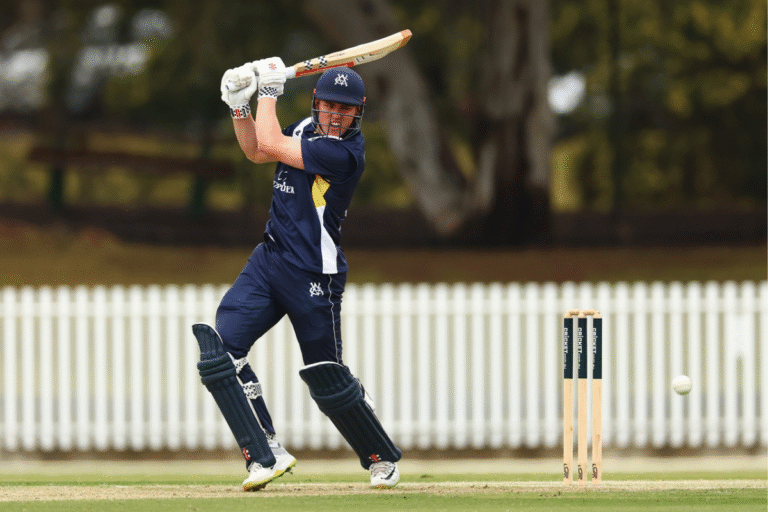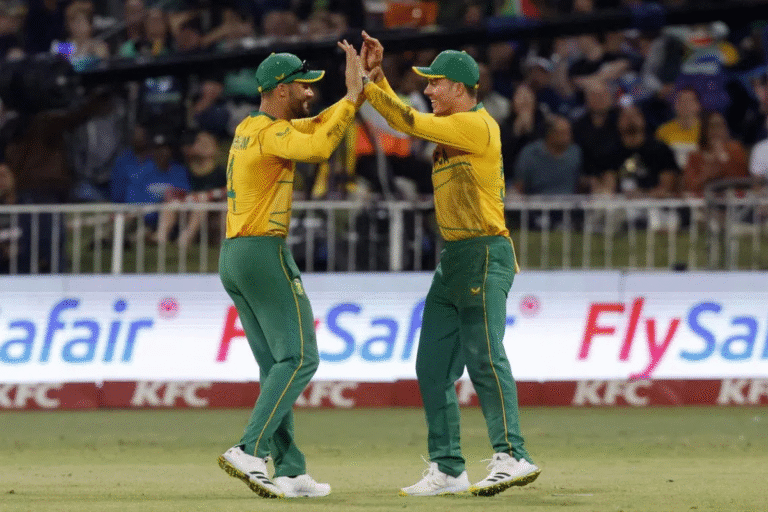


Khawaja penalty-box moment has become one of those unusual Ashes stories that lingers far longer than expected. A simple delay caused by stretching and off-field attention triggered the time-off rule, stopping him from opening when Australia needed his stability most. Jake Weatherald stepped in under pressure, commentators scrambled for answers and fans spent the next hour debating how such a moment even occurred. What should have been a minor procedural detail instead became a national conversation about readiness, communication and leadership. The Ashes magnifies everything — including moments that last only seconds — and this incident became a symbol of how fragile momentum can be when the stakes are sky-high.
How a Routine Rule Became Front-Page Cricket Drama (Khawaja Penalty Box)

The time-off rule rarely surfaces in modern cricket, but the moment it stopped Khawaja from opening, it exploded across broadcasts, social feeds and commentary desks. Fans weren’t shocked by the rule itself — they were shocked that it caught an experienced player at such a crucial moment. Because it unfolded during the Ashes, every detail felt louder, sharper and more dramatic.
Why Khawaja’s Senior Status Amplified the Impact –Khawaja Penalty Box

Khawaja has long been the reassuring presence at the top of Australia’s order. When he couldn’t walk out to open, the disruption felt symbolic. It wasn’t about blame — it was about expectations. Fans rely on him for calmness and structure, and seeing him sidelined by timing alone made the moment feel heavier than it truly was.
England’s Fast Exploitation of the Moment :Khawaja Penalty Box

England thrives on tension, and Khawaja’s penalty-box moment gave them exactly the spark they needed. Their commentators turned it into instant ammunition, while their bowlers sensed hesitation in Australia’s reshuffled opening setup. In the Ashes, even tiny disruptions become psychological leverage, and England used this one perfectly. It didn’t change tactics, but it absolutely shifted early momentum.
How the Disruption Broke Australia’s Early Rhythm :Khawaja Penalty Box

Opening the batting requires rhythm, calm and repetition — all of which vanished the moment Khawaja couldn’t walk out. Weatherald adapted admirably, but the shock had already set in. Analysts noted that the emotional rhythm of the innings was disturbed before the first over was completed. In Ashes Test conditions, even a crack in routine can feel like a tremor through the entire side.
Why Fitness Questions Returned to Center Stage

Khawaja’s back tightness wasn’t serious, but the timing made it impossible for fans to ignore. Openers rely heavily on their physical base, and even minor discomfort raises questions about endurance. The penalty-box moment magnified concerns that might have otherwise gone unnoticed. For some fans, it became a symbolic reminder of the challenges veteran players face under heavy workloads.
Selectors Watching Khawaja Through a New Lens
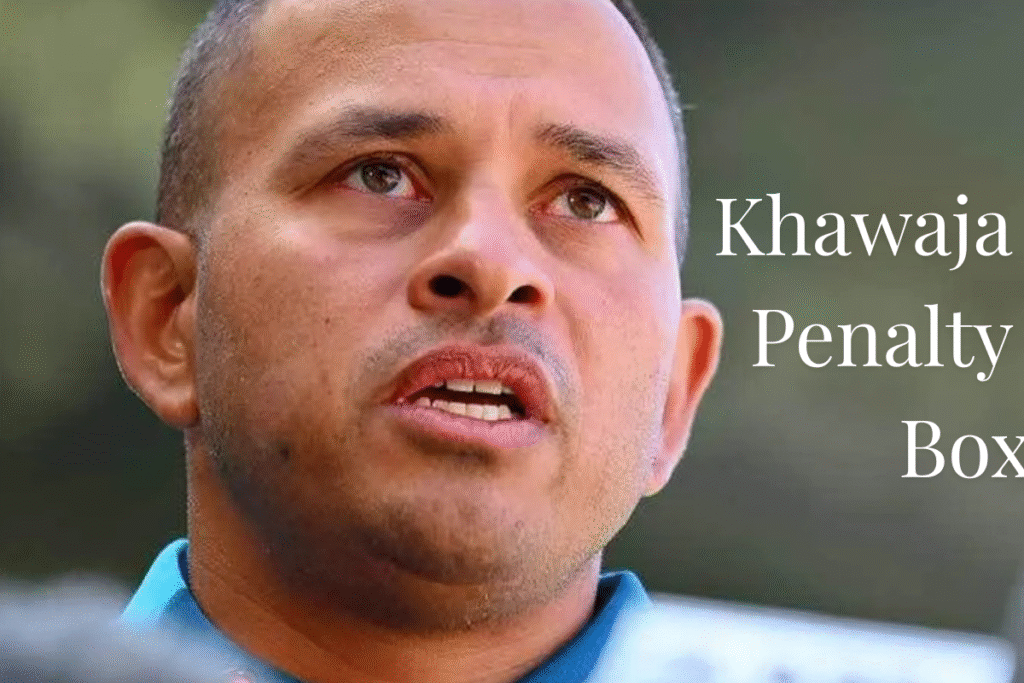
No one will lose a spot over a timing rule, but selectors always evaluate patterns. ESPN Cricinfo highlighted concerns about Khawaja’s recent scoring dips, and this incident revived those discussions. Stability, readiness and durability all matter to selectors — especially in the Ashes. The moment didn’t damage Khawaja’s standing, but it did sharpen scrutiny around him.
Khawaja’s penalty-box moment has become one of the most memorable flashpoints of this Ashes series—not because of its severity, but because of its timing. It revealed how fragile rhythm can be when the pressure of a nation sits on every delivery. Yet it also highlighted something else: Khawaja’s resilience. He has rebuilt himself many times across his career, and this moment is unlikely to shake him. What matters now is how he responds with the bat, not the rule that delayed his walk to the middle. In the end, the Ashes tests composure as much as skill, and Khawaja has more than enough of both to turn this moment into motivation.
FAQ Section
About the Author