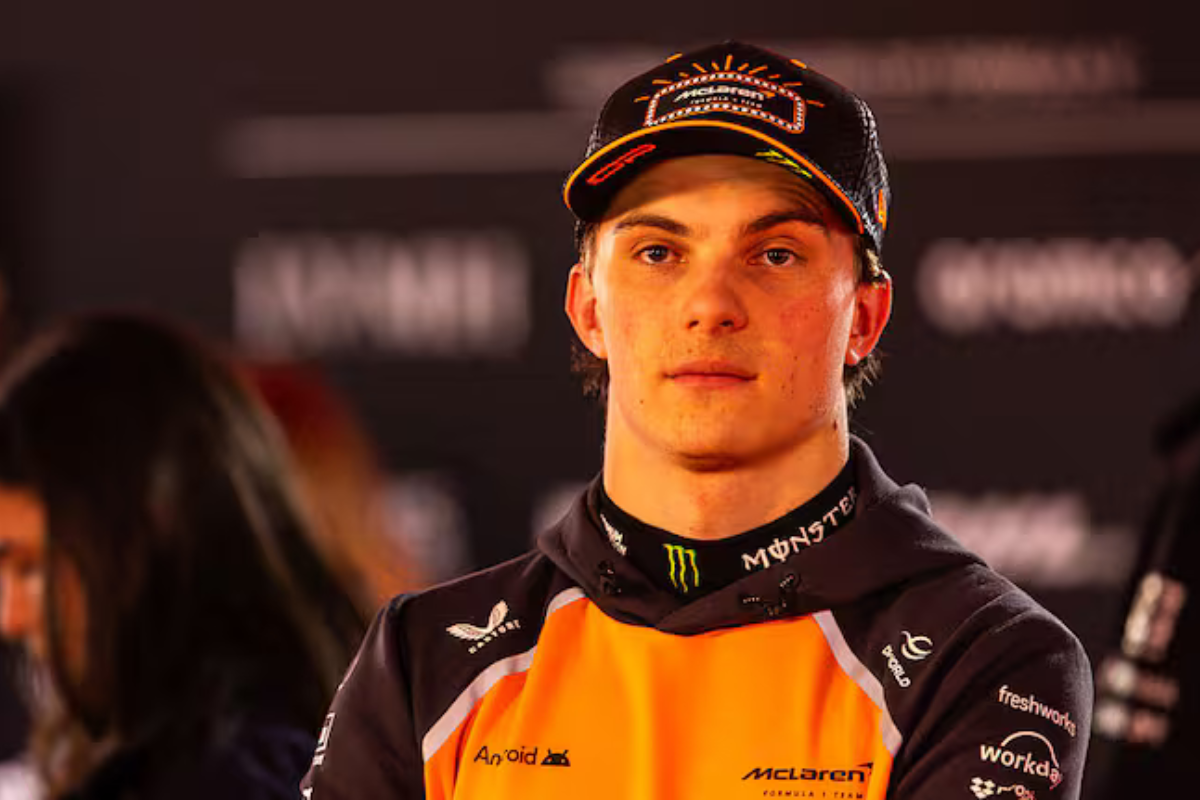
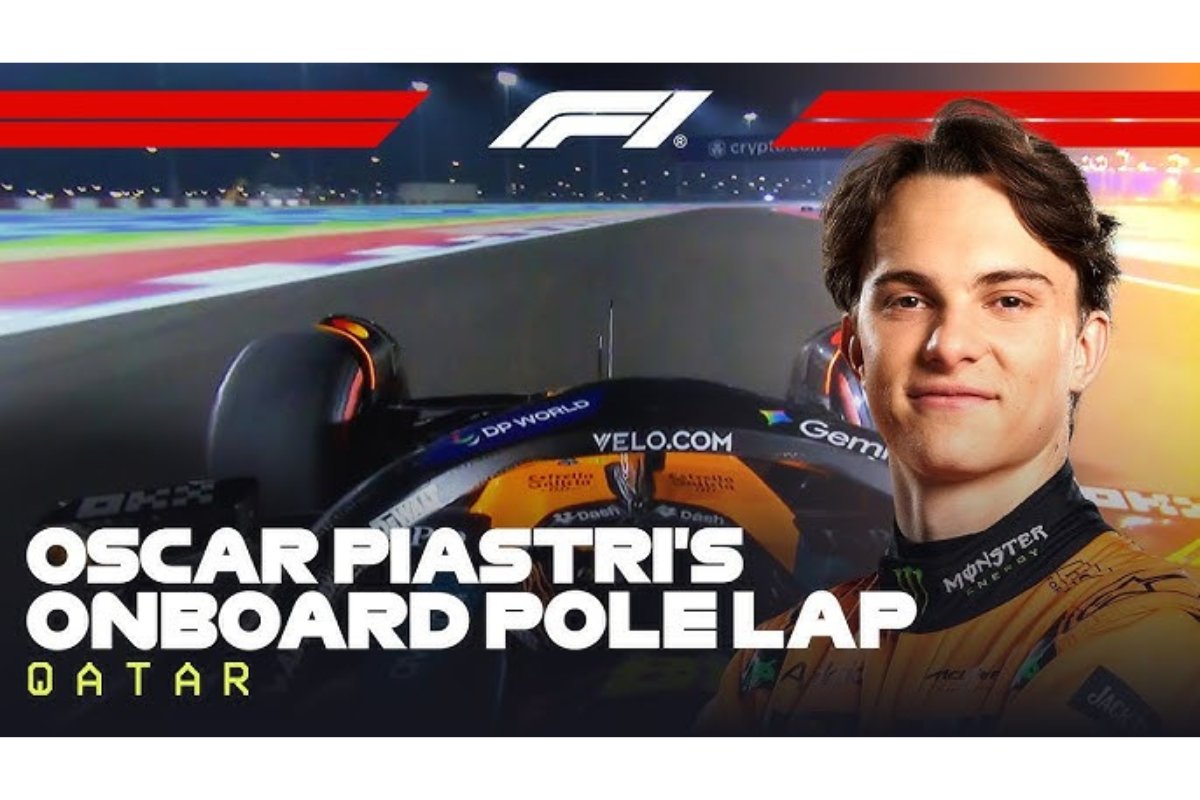
In Formula 1, it’s rare to witness the exact moment a driver regains belief in himself — but Oscar Piastri offered that moment to Australia during the Qatar Sprint. After six long weekends where nothing felt right, where every lap looked like a negotiation with a misbehaving McLaren, the young Aussie arrived in Lusail carrying not just pressure, but doubt. His early-season brilliance had faded and seemed broken. His confidence was bruised. And yet, under the bright desert lights, he delivered a piastri sprint charge that felt like an emotional reset for his entire 2025 campaign. The sprint pole lap, the smooth launch, the calm defence against Russell, the controlled aggression through the flowing corners — everything came together as if someone flipped a switch. And behind the wheel, Piastri looked relaxed again. Not tense. Not overdriving. Just present, fast, and fearless.
Piastri Rediscovers Trust in Himself — and in the McLaren
For weeks, Piastri had been fighting the McLaren rather than driving it. Engineers spoke privately about how the rear instability forced Oscar into reactive steering — tiny corrections that erode confidence lap after lap. But Qatar was the first time the balance finally came back to him. Formula1.com noted how Piastri’s input traces looked smoother than anything he’d produced since April. His car responded predictably, holding its line through the medium-speed sweepers where he had previously struggled. The Age described a visible shift in Oscar’s body language: less tension in his voice, more certainty in his choices, and a level of comfort with the car that he’d been missing for months. When a driver feels he can trust his machinery again, everything else becomes easier. That trust was the foundation of his sprint charge.
The Qatar Sprint as a Psychological Lifeline in the Title Fight

Numbers matter in championships — but psychology shapes them. As Piastri entered Qatar, the 24-point gap to Norris felt like a wall closing in. One more bad weekend, and the season would slip through his fingers. That’s why this sprint wasn’t just a scoring opportunity; it was an emotional crossroad. MotorsportWeek explained that the format compressed pressure into a 19-lap battle where every mistake carried exaggerated consequences. Norris played cautiously, protecting points rather than attacking. Meanwhile, Piastri embraced the moment. The Race described his drive as “calmly aggressive,” a rare combination that only appears when a driver feels completely aligned with the car beneath him. The sprint win created more than a points swing — it created belief.
How McLaren’s Internal Dynamics Fueled Piastri’s Mindset Shift –Piastri Sprint Charge

Tension inside McLaren didn’t begin in Qatar, but this weekend finally dragged it into the open. Norris, leading the title race, had everything to lose. His radio comms sounded tight. His approach was conservative. And his interviews, especially the ones where he downplayed his chances, carried a sense of defensive pressure. On the other side of the garage, Piastri’s tone was light, even playful. News.com.au reported that behind-the-scenes footage showed subtle differences in preparation routines, with Piastri appearing more at ease. Earlier in the year, he rejected orders to help Norris with the infamous “No, nope, eff off!” — and Qatar felt like the weekend that attitude returned, not through conflict, but through clarity. Piastri wasn’t trying to survive anymore. He was trying to win.
Rivals Stumble as Piastri Sharpens His Form (Piastri Sprint Charge)

Championship moments often require two things: your own execution, and your rivals faltering. Verstappen delivered the second part of that equation. His RB21 bounced violently through Q3, prompting him to call the car “bouncing like an idiot.” He couldn’t commit to corners. He couldn’t trust the grip. Starting in midfield, he was stuck behind turbulent air all sprint long. Hamilton’s misery was even more visible. Knocked out in Q1, he said his Ferrari was “snapping without warning” — a death sentence on a track built on speed and flow. These struggles didn’t make Piastri’s sprint win easier. They made it more significant. The title picture didn’t just shift because Oscar rose. It shifted because the usual giants fell.
The Sprint Drive: Calm Hands, Sharp Edges, Zero Panic (Piastri Sprint Charge)
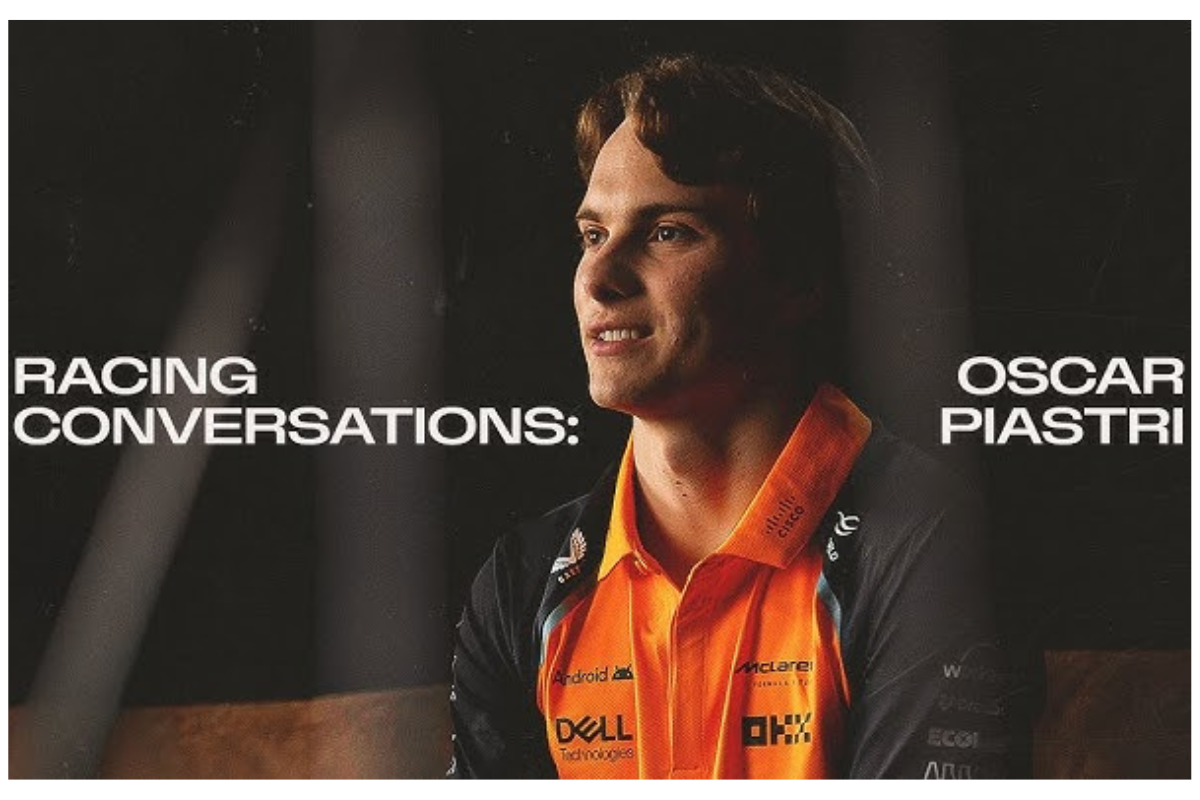
Piastri’s sprint launch might be remembered as one of the defining starts of his season. He didn’t overreact to Russell’s aggressive positioning, defend too hard. He simply covered the inside, positioned the car perfectly, and let the McLaren’s new balance carry him through the first sector. Through the lap’s sweeping middle section — the true test of driver confidence at Lusail — Oscar widened his gap with a rhythm that felt effortless. Formula1.com highlighted his sector three consistency, calling it “Championship-level precision.” Meanwhile, Norris shadowed Russell safely, unwilling to risk an overtake that could cost him the title. It was a race of contrasts: one driver attacking, one defending, and one rediscovering who he truly is.
Table: Piastri Sprint Charge — Emotional and Competitive Shifts
| Element | Outcome |
|---|---|
| Emotional State | Confidence restored |
| Car Balance | Most stable since April |
| Norris Strategy | Defensive, cautious |
| Verstappen | Porpoising, P6 |
| Hamilton | Q1 exit, unstable Ferrari |
| Momentum Shift | Strong swing toward Piastri |
Oscar Piastri’s sprint charge didn’t just boost his championship hopes — it rebuilt his confidence from the inside out. It reminded him, his team, and the entire paddock that he still has the pace, the composure, and the talent to fight for this title. Qatar wasn’t the end of a slump. It was the rebirth of a contender. And as the weekend rolls into the main race, one thing is undeniable: Piastri is back, dangerous, and ready to fight with a clear mind and a sharper edge.
FAQ Section
About the Author