
When a major police operation unfolds in Sydney, many people assume one agency is responsible. In reality, counter-terrorism is a shared effort. Australia’s system is designed to ensure intelligence, investigation and on-the-ground response flow seamlessly across jurisdictions. This coordination sits at the heart of Sydney terrorism prevention and explains why responses can appear swift and highly organised.
The Role of the Australian Federal Police –Sydney terrorism prevention
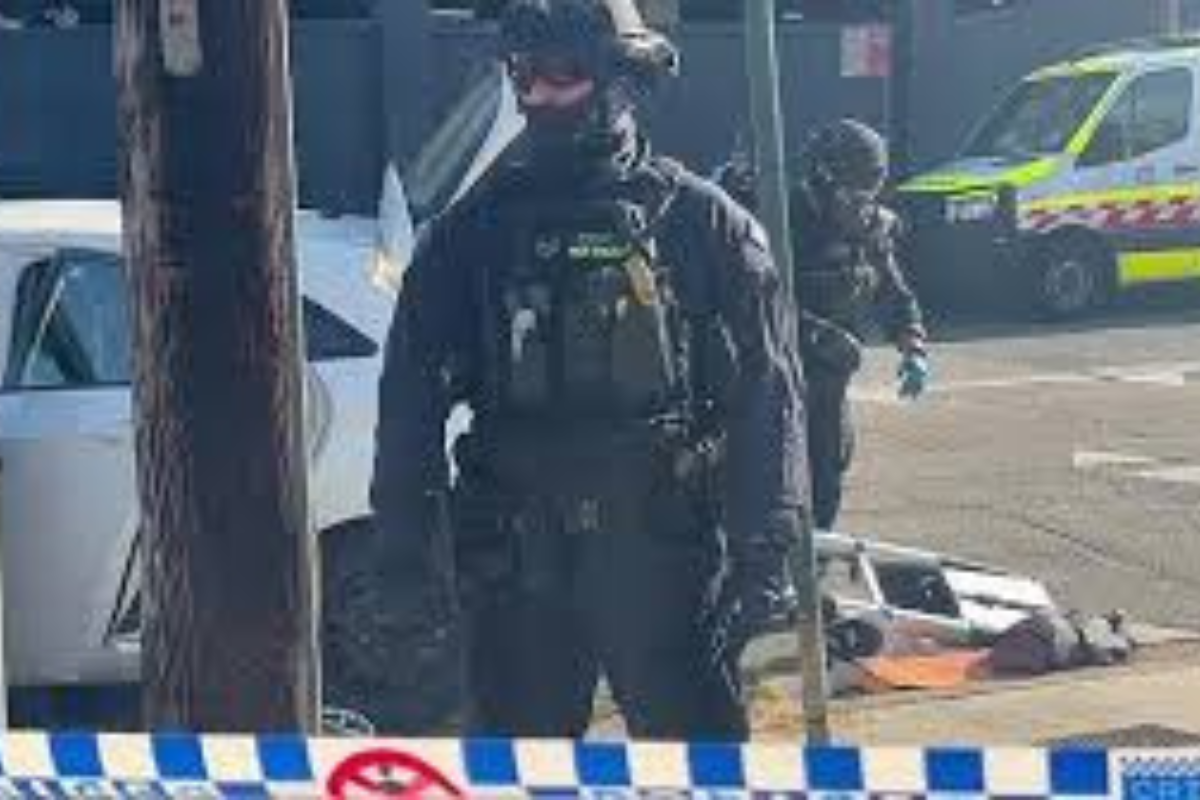
The Australian Federal Police, or AFP, leads terrorism investigations at the national level. The agency is responsible for intelligence-led investigations, federal terrorism charges, and coordination with international partners. In Sydney, the AFP works behind the scenes to assess threats that may extend beyond state borders or involve ideological extremism.
What NSW Police Are Responsible For (Sydney terrorism prevention)

NSW Police lead the operational response within the state. This includes tactical deployments, arrests, vehicle interceptions and public safety operations. Units such as Tactical Operations and the Counter Terrorism and Special Tactics Command are often the most visible during incidents, although their actions are guided by joint intelligence assessments.
Joint Counter Terrorism Teams Explained -Sydney terrorism prevention
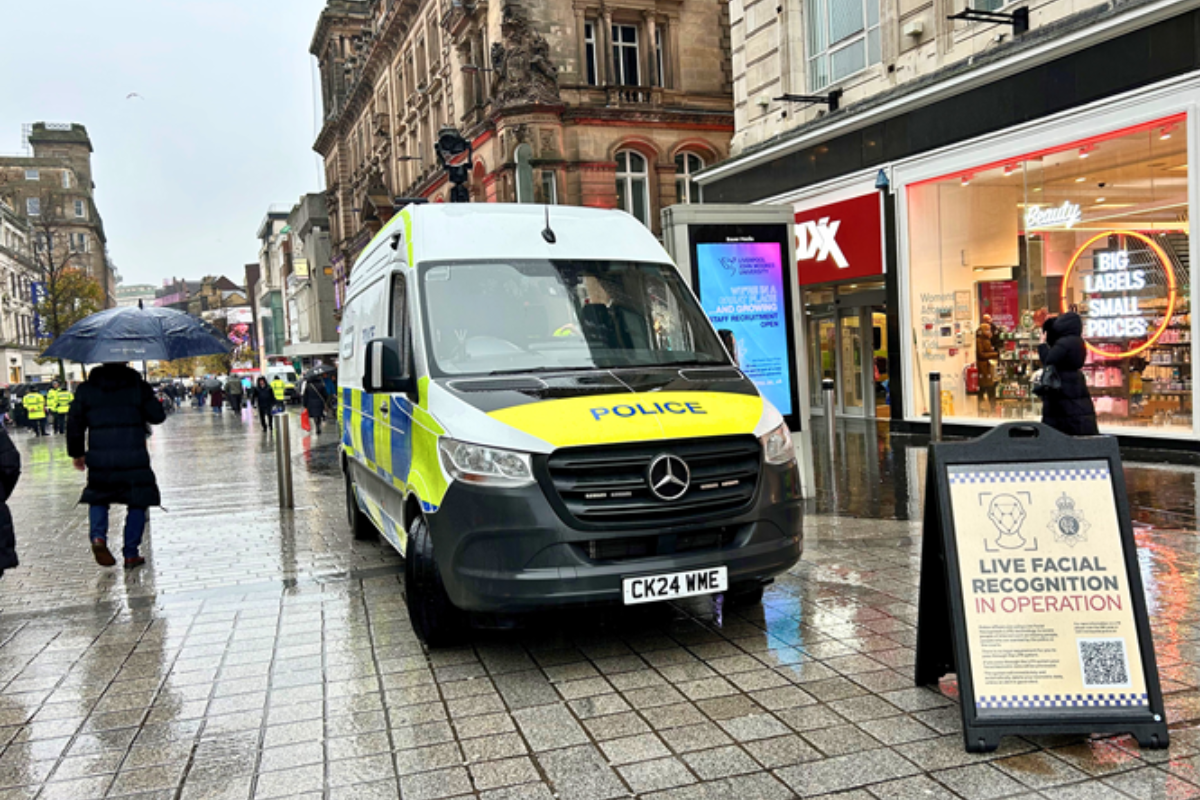
The backbone of Sydney terrorism prevention is the Joint Counter Terrorism Team, commonly known as the JCTT. These teams combine AFP officers, NSW Police, ASIO analysts and other specialists. By working together daily, they reduce delays and ensure intelligence moves quickly from assessment to intervention.
How Intelligence Moves From Detection to Action (Sydney terrorism prevention)

Information may originate from public reports, online monitoring, surveillance or international partners. Analysts assess credibility before recommending action. If risk thresholds are met, operational police units are deployed. This process allows authorities to intervene early, often before charges are laid or violence occurs.
Why This Multi-Agency Model Matters

No single agency can manage modern terrorism threats alone. The shared model ensures Sydney benefits from federal resources, state-level response capability and intelligence expertise. This structure reduces blind spots and strengthens Australia’s ability to disrupt threats discreetly and effectively.
Table: Key Agencies in Sydney Terrorism Prevention
| Aspect | Security Perspective | Civil Liberties Perspective |
|---|---|---|
| Public gatherings | Potential risk during alerts | Core democratic right |
| Police resources | Reduced strain on officers | Better planning preferred |
| Temporary restrictions | Seen as precautionary | Risk of overreach |
| Legal safeguards | Necessary flexibility | Clear limits required |
Sydney terrorism prevention relies on cooperation rather than competition between agencies. The partnership between the AFP, NSW Police and intelligence bodies allows Australia to detect risks early and respond decisively. While tactical operations attract attention, the real strength lies in the quiet coordination that happens long before police lights appear.
FAQ Section
About the Author