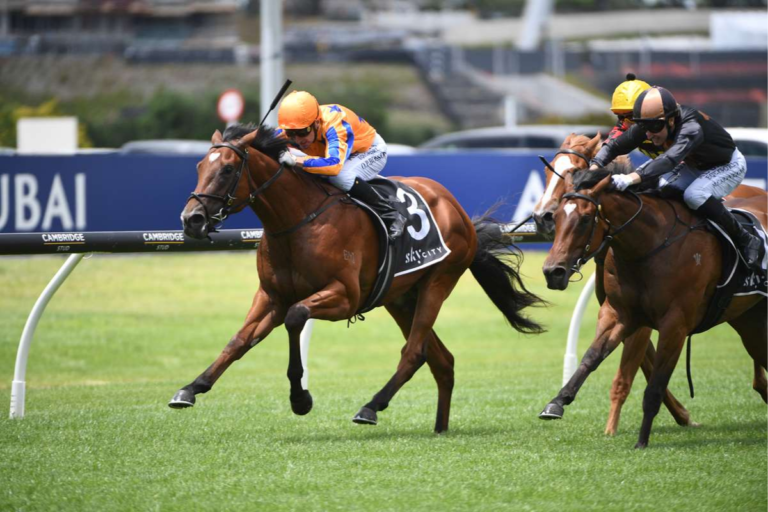

Every Aussie knows summer sport can get toasty, but this weekend is shaping up like something straight out of a late-game survival mission. The Bureau of Meteorology has issued a severe heatwave warning for NSW, and reports from The Guardian and 7News show temperatures climbing past 40°C in Western Sydney and inland regions. Meanwhile, hot winds and bone-dry conditions are priming the landscape for extreme fire danger. For athletes and spectators gearing up for cricket, soccer, touch footy, or trail events, this isn’t just tough weather—it’s a high-risk environment demanding strategy, caution, and major schedule shifts (Weekend sport heat risks).
Heatwave Mechanics Are Creating a Rare High-Risk Weekend –Weekend sport heat risks


According to SMH, a powerful high-pressure system parked near the Tasman Sea is dragging hot continental air across NSW. Because it’s slow-moving, the heat doesn’t break quickly; instead, it layers day after day, building to a Saturday peak before any cool change arrives. That means early morning training might feel manageable, but by late morning conditions become risky across most outdoor sports.
When Heat Meets Sport: The Perfect Storm for Player Fatigue (Weekend sport heat risks)

Athletes often pride themselves on pushing through discomfort, but extreme heat pushes back harder. Cricket players in full gear absorb heat fast, soccer players run constantly on sun-baked turf, and weekend footy sessions often involve explosive sprint intervals. BOM and NSW Health warn that once temperatures exceed the mid-30s, dehydration and heatstroke risks spike dramatically. Even well-conditioned players can hit a wall before they realise their body is overheating.
Fire Danger Raises the Stakes for Regional Sport –Weekend sport heat risks

Sky News reports extreme fire danger across the Hunter, Illawarra, Central West, and Riverina. Many sports ovals sit near bushland, dried paddocks, or urban fringes where grassfires ignite easily. Even if sport itself remains safe, smoke from distant fires can force evacuations or lead to cancellations. In some rural towns, weekend sport doubles as a community gathering place, meaning the threat impacts entire communities, not just athletes.
Spectators Face Heat Risks Too—Not Just Players

Parents, volunteers, and supporters often stand in full sun for hours, especially during cricket and athletics. They may underestimate how quickly heat stress develops when shade is limited. Children watching on the sidelines are also vulnerable, particularly during long match days. This heatwave challenges not just athletes but the entire culture of outdoor weekend gatherings.
Cancellations, Delays, and Night Matches Are Becoming the Norm
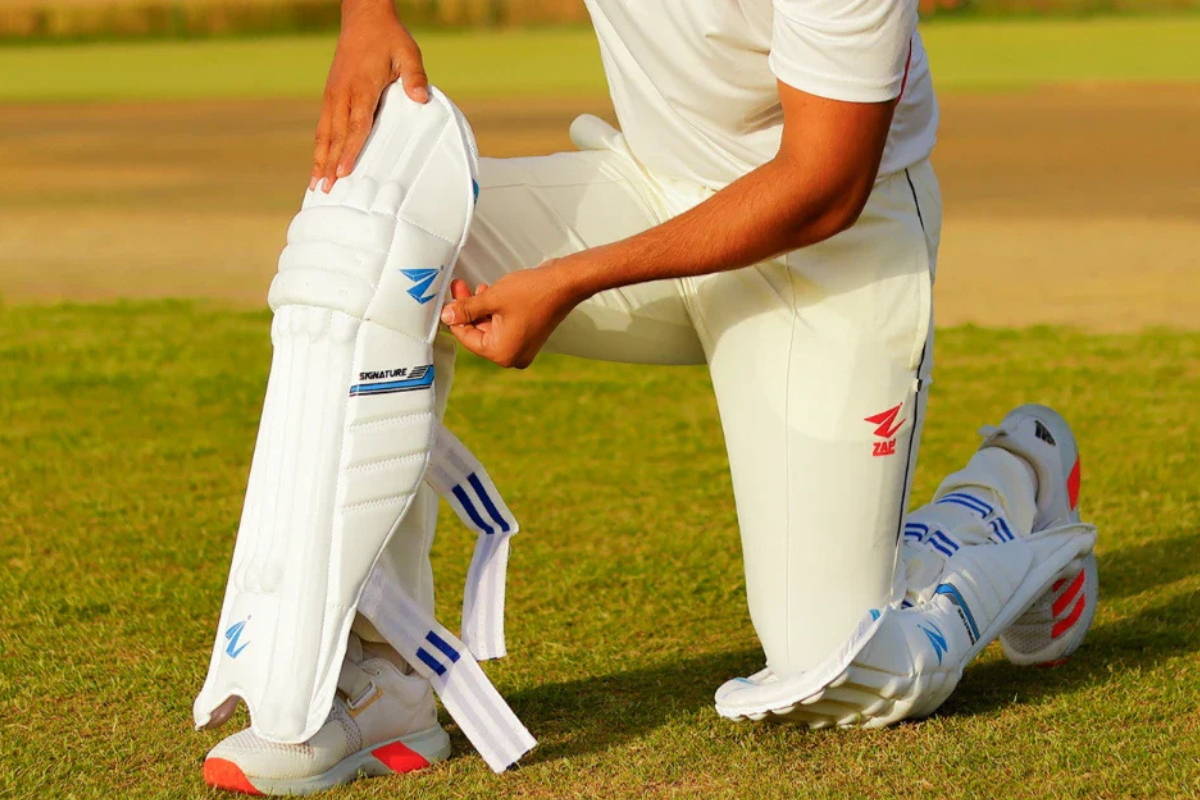
Organisers across NSW have started shifting fixtures to dawn or evening windows. Some cricket associations are already cancelling junior and senior rounds due to concerns over prolonged exposure. 7News notes that many councils are preparing heat contingency plans, ensuring water stations, misting tents, and cooling zones are ready for sudden heat spikes. These adaptations may shape how Aussie summer sport operates for years to come.
This weekend’s heatwave is a reminder that summer sport doesn’t exist in a vacuum. Extreme heat and fire danger combine to create a uniquely challenging environment for teams, families, and organisers. NSW has dealt with hot weekends before, but the height of this weather event demands a smarter approach—staying hydrated, shifting schedules, cancelling when necessary, and prioritising community wellbeing. Sport can wait, but safety can’t.
FAQ Section
About the Author