Healthy Sports Australia – Most of us know we should move more. But life gets in the way, right? Work, kids, scrolling on phones… it adds up.
That’s exactly why the World Health Organization launched its Sport for Health Programme. And while it’s a global initiative, the lessons are incredibly relevant for healthy sports Australia communities, local clubs, and even weekend warriors.
The idea is simple: sports and health are natural teammates. When you bring them together, people of all ages and abilities live happier, more productive lives. The WHO isn’t just talking about elite athletes. They mean your kids’ Saturday soccer game, your evening walk, or that community cycling group.
So, what does this programme actually do? Let’s break it down in plain language.
Four Big Goals That Drive Real Change – Healthy Sports Australia
The WHO set four main targets. You’ll notice they move from simple awareness to long-term safety.
Notice how the last goal matters long after the final whistle blows. That’s the point.
Six Key Pillars: Where the Work Happens
The programme doesn’t just say “be healthy.” It focuses on six specific areas. Here’s the rundown, with a few insights you might not find in the official summary.
1. Physical Activity & Health Promotion
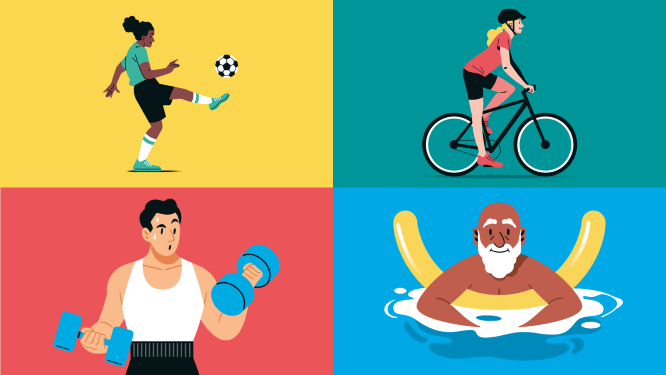
We all know exercise is good for you. But did you know that in some countries, inactivity levels reach 70%? That’s staggering. Regular movement helps prevent heart disease, stroke, diabetes, and even some cancers. It also boosts mental health.
Extra insight (not in the original): Research from the University of Sydney (Australia) shows that just 15–20 minutes of vigorous physical activity per week – like a brisk bike ride or jog – can lower mortality risk by up to 18%. The WHO aims to reduce global inactivity by 15% by 2030. That’s ambitious, but achievable if local clubs get involved.
2. Healthy Food & Healthy Lives
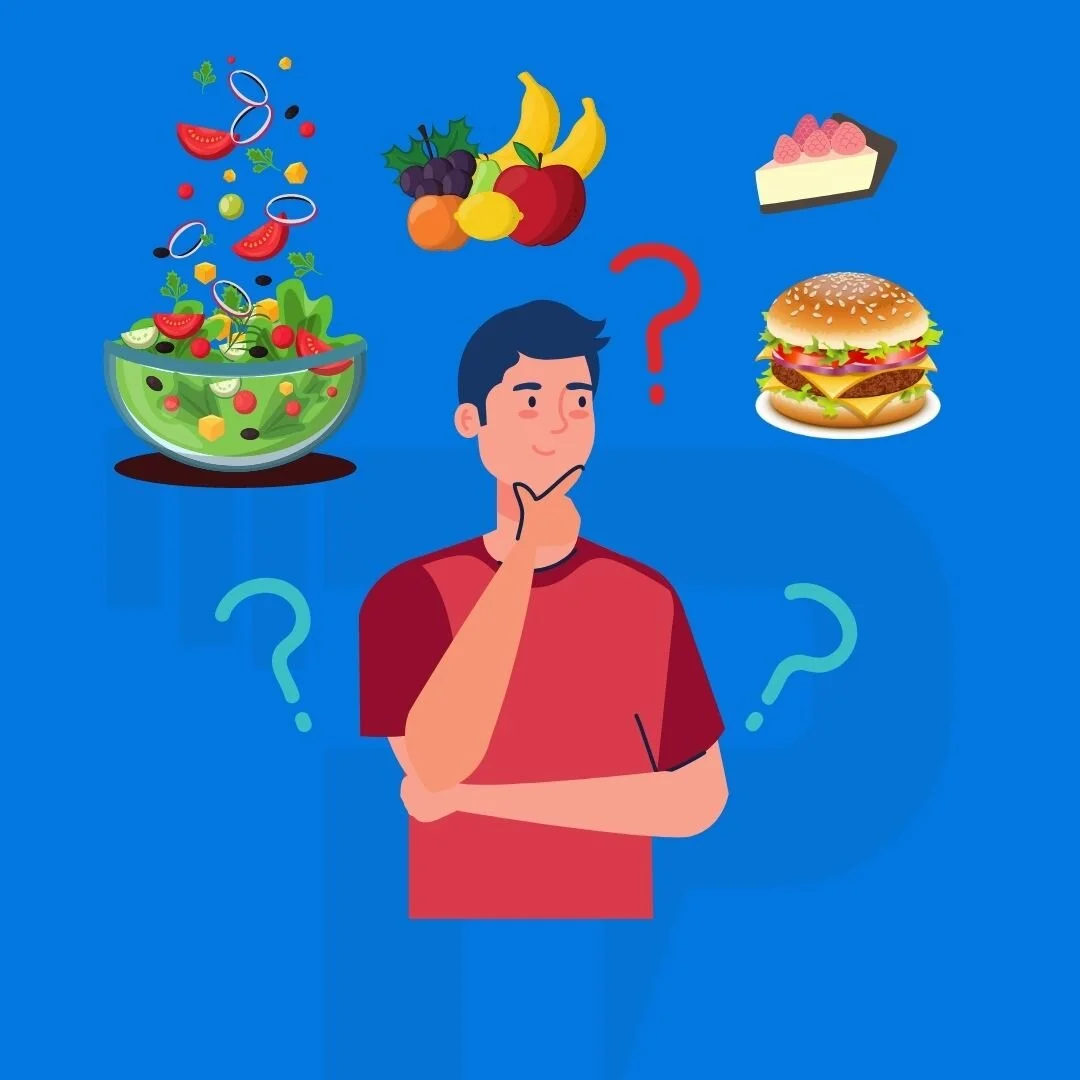
Sporting venues are notorious for selling junk food. Chips, sugary drinks, hot dogs… you’ve seen the line-ups. The WHO wants to flip that script. They encourage stadiums and community centres to offer real food: fruit, vegetables, whole grains, and safe options.
The organisation also pushes for:
- Better food standards in public settings (schools, sports stadia)
- Restrictions on junk food marketing aimed at kids
- Clear front-of-pack nutrition labels
3. Mass Gatherings
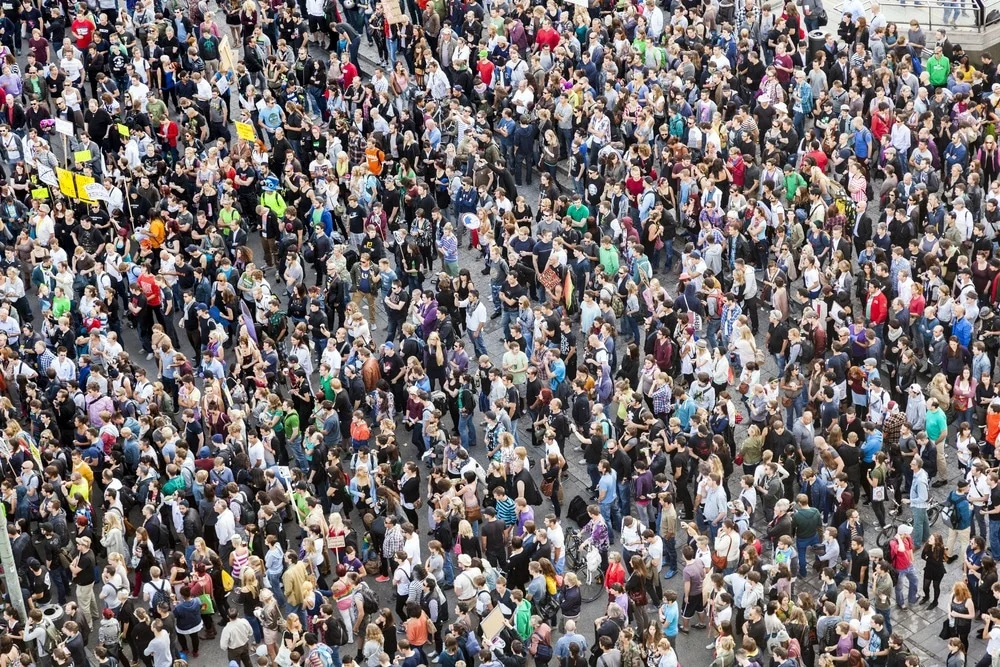
Here’s something most fans never think about. When 80,000 people pack into a stadium, it’s a public health challenge. Outbreaks, accidents, even heatstroke – all need planning.
The WHO helps host countries prepare for:
- Disease surveillance and outbreak management
- Mass casualty response
- Visitor health advice (vaccinations, food safety, emergency numbers)
Real-world example: For the FIFA World Cup Qatar 2022, WHO worked with local authorities on everything from COVID-19 protocols to food safety. That’s the kind of behind-the-scenes work that keeps you safe while you cheer for your team.
4. Alcohol, Drugs & Addictive Behaviours
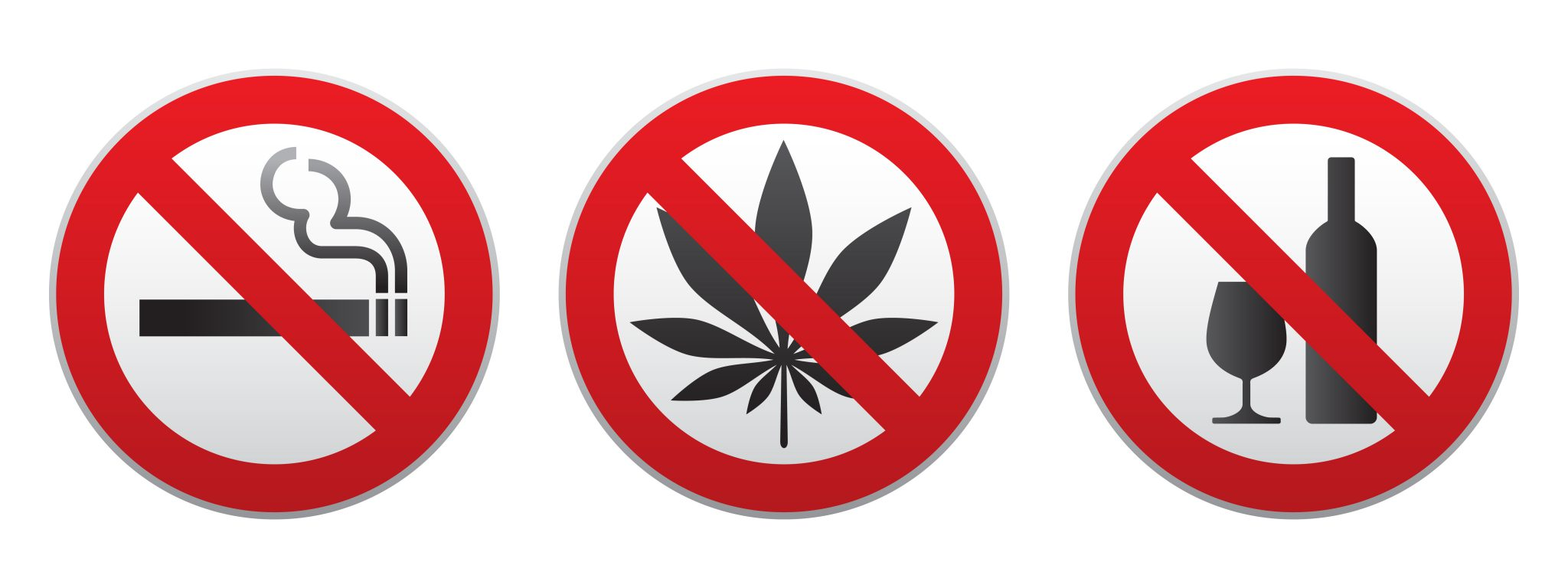
Let’s talk about the elephant in the room. Alcohol and sports are heavily linked through advertising. The WHO wants to break that connection, especially for children and adolescents.
Key actions include:
- Eliminating alcohol and psychoactive substance ads at sport events
- Promoting sports as a positive alternative to substance use
- Using athletes as role models for non-use
Here’s a stat that might surprise you: around 300 million people worldwide have alcohol use disorders. Nearly half a million die from drug use each year. Sports can be part of the solution, not the problem.
5. No Tobacco
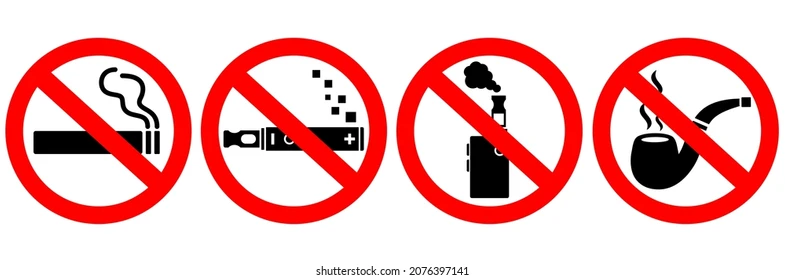
We’ve heard the warnings for decades, but tobacco still kills over 8 million people annually. Second-hand smoke? Another 1.2 million deaths, including 65,000 children.
The WHO collaborates with FIFA to keep tobacco out of major tournaments. They also support the Tobacco-Free Stadia Declaration. Even outdoor sports events matter – cigarette butts litter fields, and smoke drifts onto spectators.
Extra insight: Heated tobacco products and e-cigarettes are not safe alternatives. They still contain toxic chemicals and nicotine. The WHO’s stance is clear: tobacco has no place in sport.
6. Mental Health
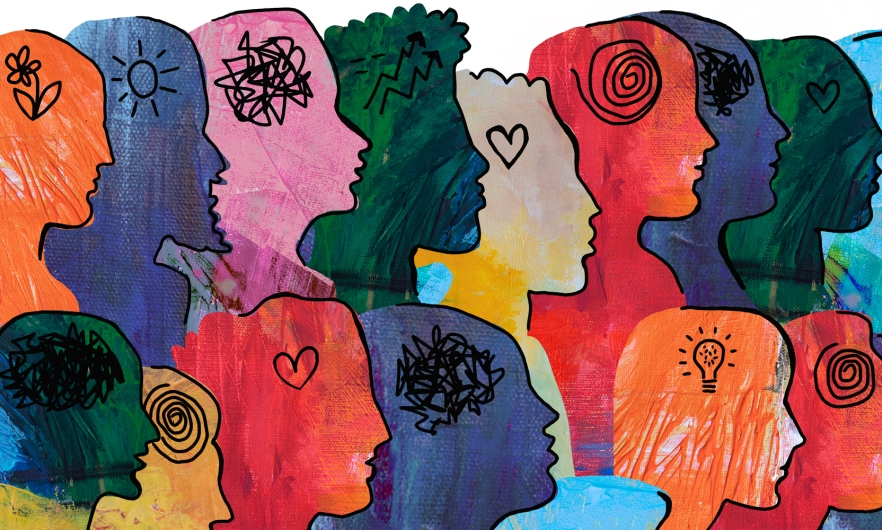
This pillar has gained huge attention recently, and for good reason. Depression is a leading cause of disability globally. Suicide is the second-biggest killer of people aged 15–29.
The WHO promotes exercise as a tool to reduce depression and anxiety. They also advocate against bullying and undue pressure in sports – something every parent should care about.
Notable campaign: The #ReachOut campaign, launched with FIFA, encourages people to talk about mental health openly. Professional athletes have shared their own struggles, helping to break stigma. That’s powerful.
7. Safety and Mobility (Bonus Pillar)
This one isn’t always highlighted, but it’s critical. Road crashes kill 1.3 million people yearly. Many are pedestrians, cyclists, and motorcyclists – exactly the people trying to be active.
The WHO promotes:
- Safer roads for cyclists
- Drowning prevention
- Fall prevention, especially for older adults
If you’re part of a cycling club in Australia, these guidelines directly affect your safety.
Who Is the WHO Partnering With?

The Sport for Health Programme doesn’t work alone. Major collaborations include:
- FIFA – Joint campaigns on mental health, COVID-19 action, and tobacco-free events
- IOC – Vaccine equity and healthy lifestyle promotion
- Qatar – A legacy partnership for safer mega-events
- Didier Drogba – Former football champion and WHO Ambassador for Sports and Health
These partnerships amplify the message. When a famous athlete says “move for your mental health,” people listen.
What Does This Mean for Healthy Sports Australia? – Healthy Sports Australia
You might be thinking: “This is global. How does it affect my local netball club or weekend run?”
Fair question. The WHO provides toolkits, guidelines, and best practices that countries like Australia adapt locally. For example:
- Australian sports clubs can adopt the WHO’s healthy food environment guides for their canteens.
- Local councils can use the mass gatherings framework for community fun runs.
- Mental health campaigns like #ReachOut can be promoted by Australian football leagues.
In short, healthy sports Australia isn’t a separate programme – it’s the local expression of a global movement. Every time a community club chooses water over soft drinks, or a coach prioritises mental wellbeing over winning at all costs, they’re living these principles.
Final Thoughts – Healthy Sports Australia
The WHO Sport for Health Programme is ambitious. But it’s also practical. It meets people where they already are: at the stadium, on the bike path, or cheering in front of the TV.
Whether you’re a parent, a coach, a local organiser, or just someone trying to walk more each day, these pillars offer a roadmap. Move regularly. Eat real food. Avoid tobacco and excess alcohol. Look after your mind. And make sure the places where you play are safe.
About the Author