Youth Sports Australia – Australia punches well above its weight globally. With a population barely touching 27 million (latest estimates), we consistently rank inside the top five nations across sports like rugby league, cricket, netball, and hockey. That’s not luck. That’s a system built from the ground up.
But what does the actual breakdown look like for kids?
Instead of another generic list, let’s walk through the data like a match replay — quarter by quarter, stat by stat. Here is the current scorecard for Youth Sports Australia, based on the latest Roy Morgan Research Study (kids aged 6–13).
The Starting Lineup: Participation Rates at a Glance
Note: Swimming still leads overall individual sports, but for team sports, this is the official ladder.
First Quarter: Why Soccer Is Running Away With It
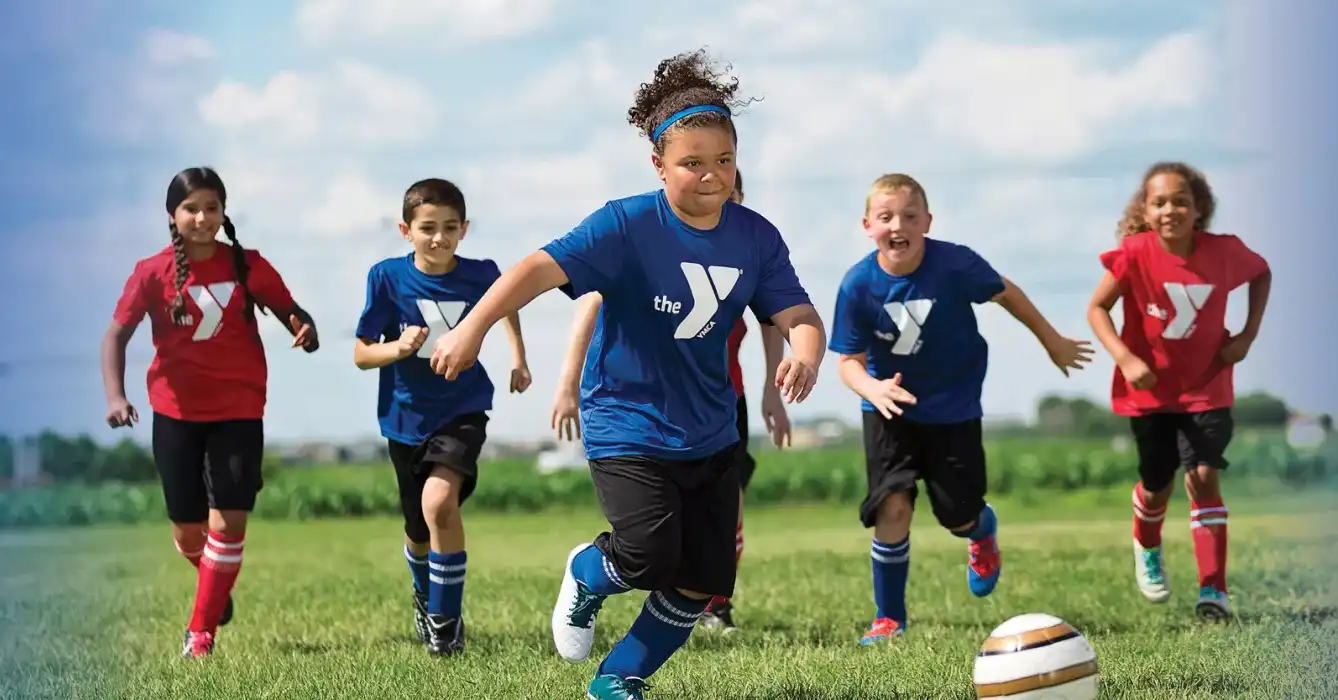
Soccer isn’t just winning; it’s dominating. Almost one in every two Australian kids has kicked a ball in a formal competition. That’s massive.
Here’s what the raw data doesn’t always tell you about Youth Sports Australia soccer numbers:
- The Matildas Effect: Since the 2023 Women’s World Cup, junior female soccer registrations have surged by over 20% in some states. Young girls now see a clear, glamorous pathway to professional sport.
- Non-contact nature: Many parents (especially those new to Australia) prefer soccer because it introduces team tactics without the heavy collision risks of rugby or AFL.
- Low barrier to entry: You need one ball and four jumpers for goals. Clubs often waive uniform fees for first-timers.
New research insight: Beyond the Roy Morgan data, Play.AFL’s internal reports suggest that soccer’s biggest competitor isn’t rugby — it’s screen time. Many parents enroll kids simply to create a weekend routine away from tablets.
Second Quarter: The Rise of Basketball and the Cricket Tradition
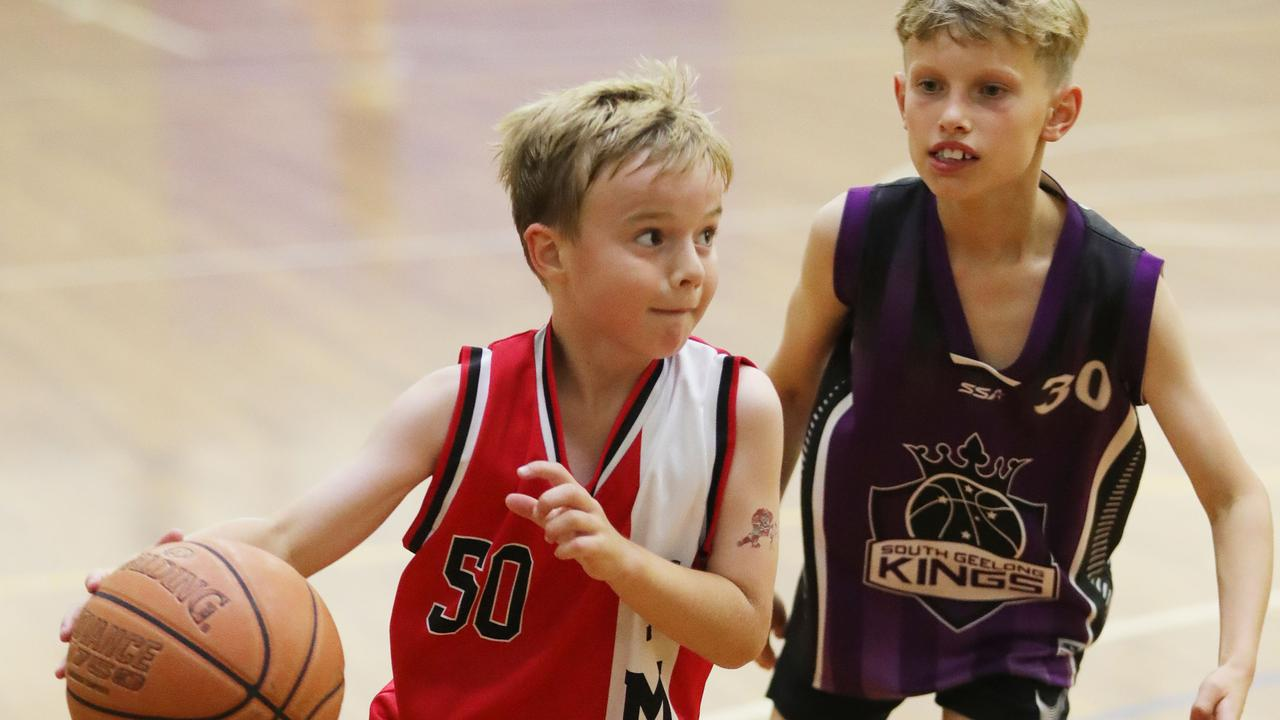
Basketball (30.5%) has quietly become the silver medalist. Why? Three reasons you don’t usually hear:
- Indoor convenience: In scorching Australian summers, air-conditioned stadiums beat dusty ovals.
- NBA exposure: With players like Josh Giddey and Patty Mills, kids feel connected to a global league, not just local comps.
- Mixed-gender flexibility: Most junior basketball leagues allow boys and girls to play together until about age 12, which suits many families.
Cricket (25.7%) sits third, but here’s something the article above misses: Cricket Australia’s “Mastercard Cricket Blast” program has intentionally shortened matches (20–30 minutes) for under-8s. They realized kids hate standing in a field for two hours. Now, every child bats and bowls every session. That’s why retention rates improved by 35% since 2019.
Third Quarter: Netball, AFL, and the Hidden Gem
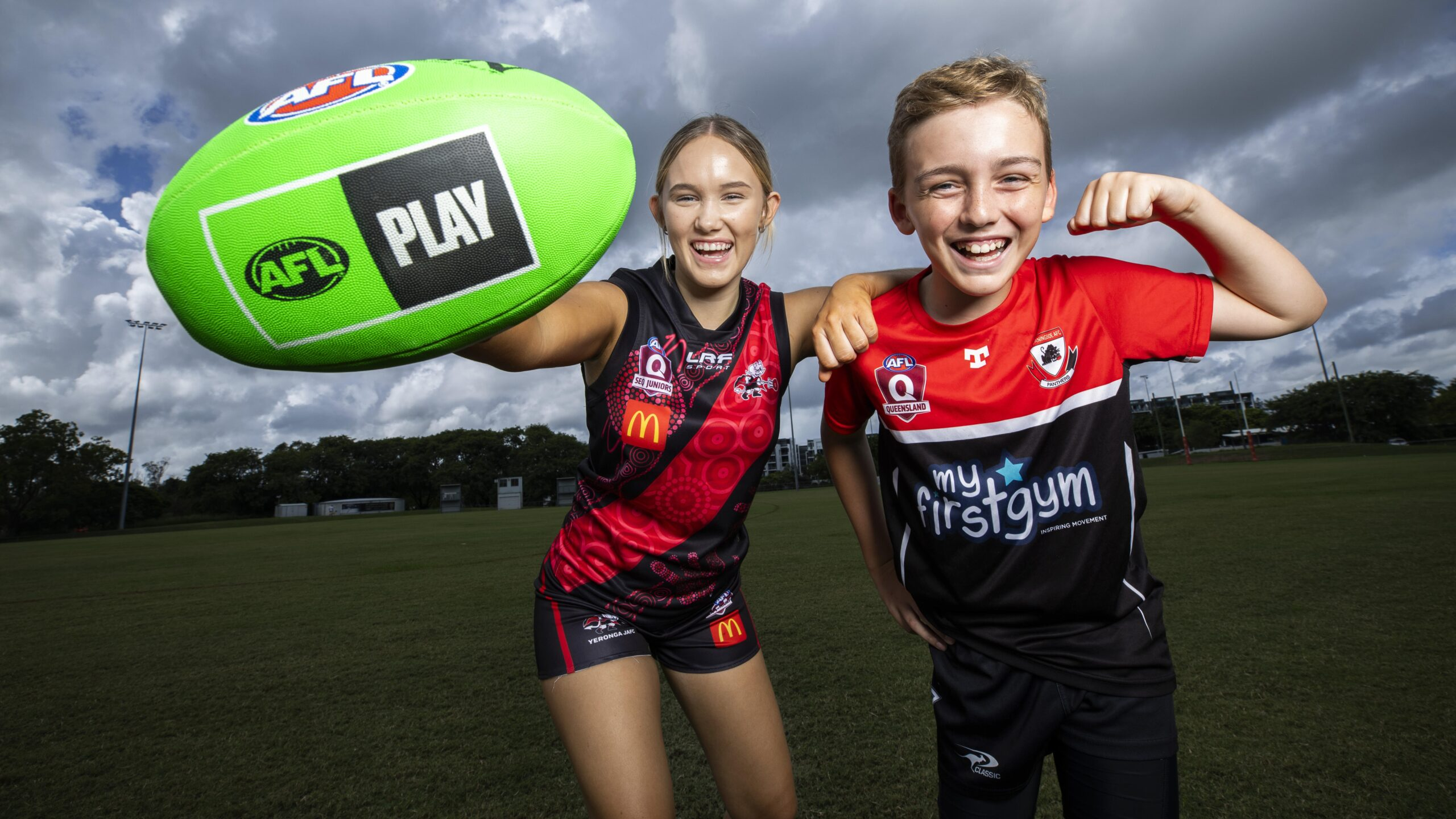
Netball (20.5%) remains the undisputed queen of female team sports in Australia. However, new data from Netball Australia shows that mixed-gender “Fast5” formats (shorter, faster games) are now attracting boys at triple the rate from five years ago. The sport is quietly diversifying.
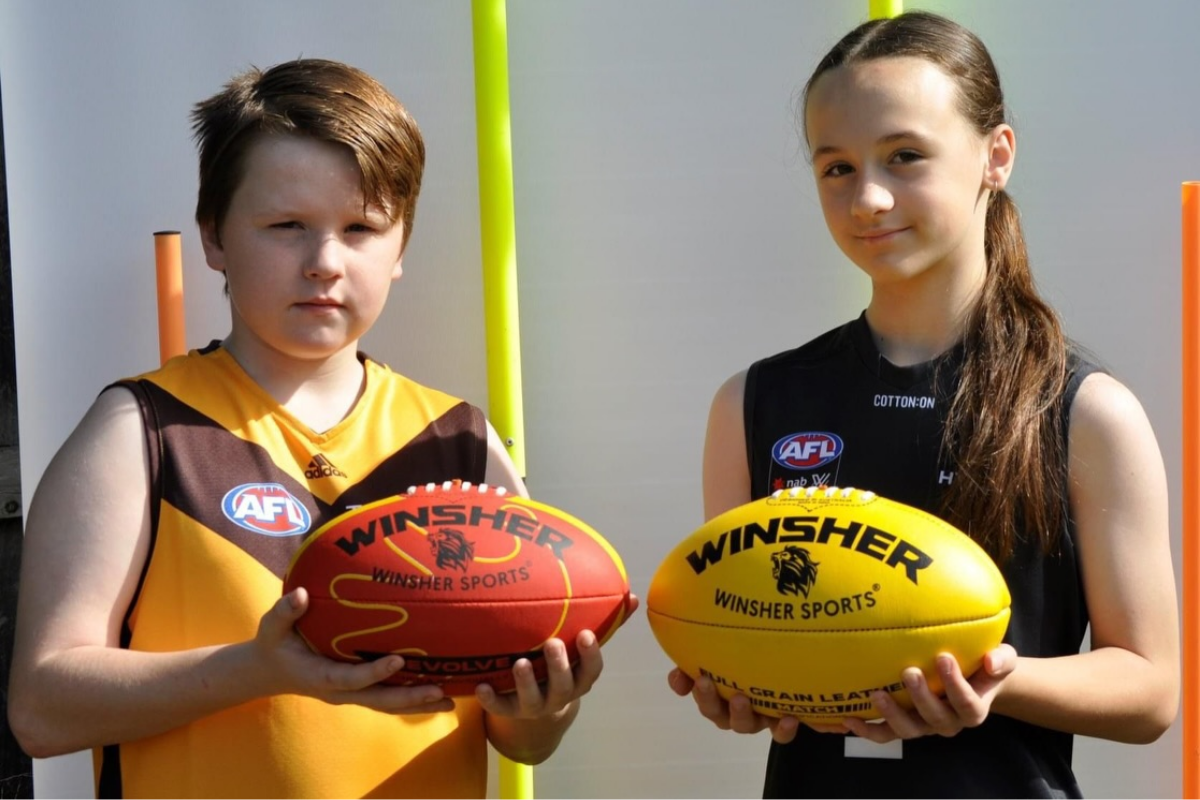
Aussie Rules (17.9%) faces a unique challenge. In Victoria, SA, and WA, it’s a religion. But in QLD and NSW, it competes with rugby league. What’s changing? The AFL’s “NAB AFL Auskick” program has shifted to game-based learning — kids play small-sided matches before they ever learn a rule. This has boosted participation in non-traditional states by nearly 15% since 2021.
Rugby League isn’t listed with a fixed percentage in the original table, but independent research (AusPlay, 2024) puts it around 12–14% nationally — much higher in QLD/NSW. The NRL’s “League Stars” program now focuses on touch football for under-7s, reducing injury fears for parents.
Fourth Quarter: How to Actually Get Your Kid Started – Youth Sports Australia
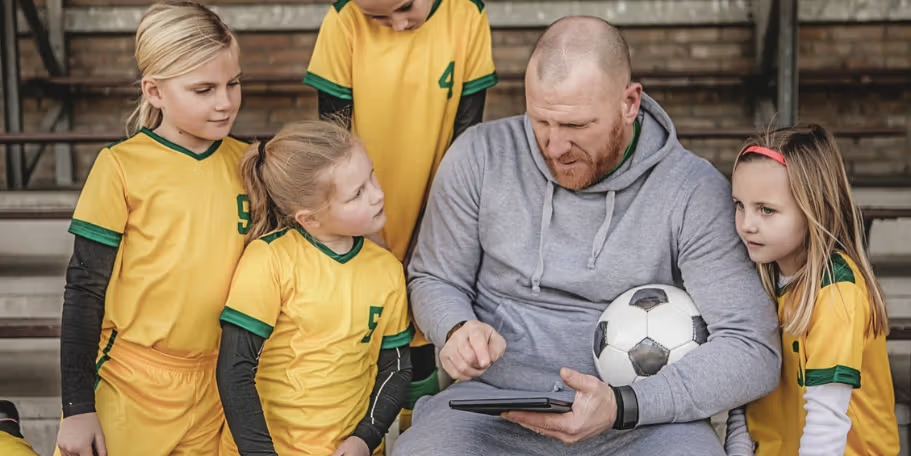
Knowing the stats is one thing. Taking action is another.
Across Youth Sports Australia, the single biggest barrier parents report isn’t cost — it’s overwhelm. Which sport? Which club? What if they hate it?
Here’s a coach’s simple three-step breakdown:
- Don’t commit to a full season yet. Most kids don’t know what they like until they try.
- Look for school holiday “taster” camps. These run 1–3 days, cost roughly $150–$300, and include coaching from experienced players (former pros often drop in).
- Watch for red flags: A good camp focuses on fun and movement, not winning. If a coach yells at 7-year-olds, walk away.
What Australian Sports Camps offers specifically:
- 3-day programs (9am–3pm, 18 total coaching hours)
- Ages 6–16, all skill levels welcome
- Sports covered: soccer, basketball, cricket, netball, AFL, rugby league, hockey, volleyball, tennis, futsal, and even niche ones like parkour or badminton through partner programs.
- Guest appearances from athletes like Justin Langer (cricket), Dustin Fletcher (AFL), or Brad Hodge — though these vary by camp.
Pro tip from a parent’s review (Facebook, Feb 2025): “My daughter tried netball at a holiday camp, hated it after day one, but the coach moved her to soccer on day two. She’s now played two seasons. Without that flexibility, she’d have quit sports entirely.”
Final Whistle: What the Data Doesn’t Show – Youth Sports Australia
The Roy Morgan numbers capture active competition participants. But here’s what they miss: millions more kids play informally. Backyard cricket. Lunchtime basketball. Beach soccer. That informal play is the real engine of Youth Sports Australia.
Also, a note on multicultural shifts. In Greater Western Sydney, soccer registrations among Pacific Islander and South Asian families have grown 40% faster than the state average. In Melbourne’s southeast, basketball is the #1 sport for Chinese-Australian and Greek-Australian kids. The face of youth sports is changing.
So if you’re a parent standing on the sidelines this weekend, unsure which sport to pick? Let your child lose on purpose. Try a camp. Let them bomb. Let them switch. The data says they’ll find their tribe eventually — and statistically, it’ll probably involve a round ball.
About the Author